

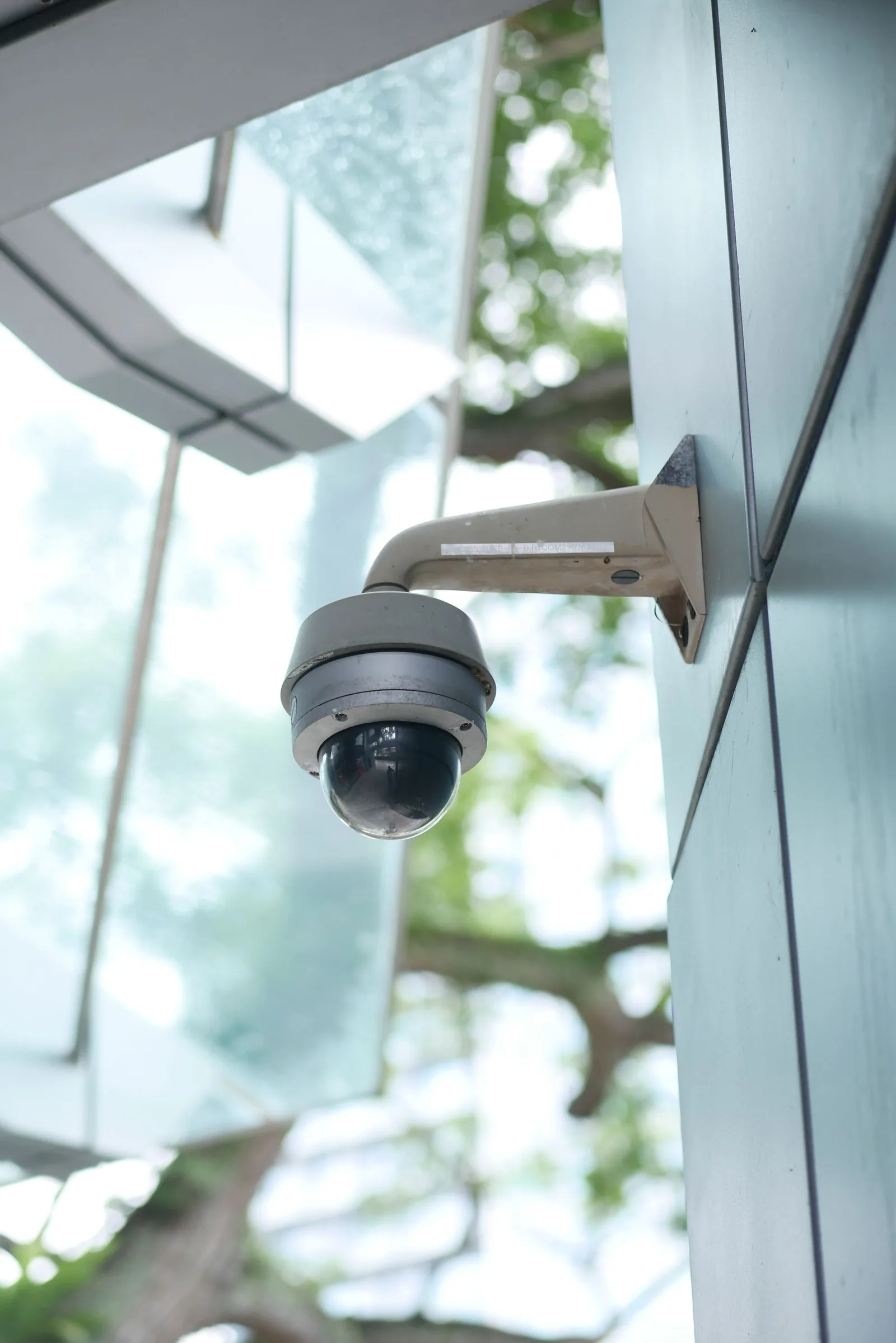
Warehouses and depots along the N1, in Centurion logistics parks and around Rosslyn industrial nodes face lighting, dust and ceiling height challenges that office CCTV templates do not solve. A single wide-angle camera in a corner may prove that pallets existed; it rarely identifies who moved them at aisle level.
This guide covers camera heights, aisle coverage, yard monitoring, storage sizing and cabling backbones for Pretoria-area logistics sites—without pretending one device type fits receiving docks and freezer rooms alike.
Map movement, not only square metres
Start with process maps: goods in, put-away, pick paths, staging, dispatch and returns. Cameras should cover intersections where forklifts meet pedestrians and where seals are broken. High-value cages warrant dedicated views independent of general aisle coverage.
Office mezzanines overlooking bays are useful for live supervision but poor for identification if cameras are too far and too high. Balance overview cameras with mid-height units on critical aisles.
Heights, angles and forklift dynamics
High-bay racking
When racking exceeds one storey, corner shots become pixelated at floor level. Place cameras at intermediate heights on end-of-aisle posts or building columns, aimed down pick faces. Protect housings from fork impacts with bollards or recessed mounts.
Dock doors
Inbound and outbound doors need exterior and interior coverage to capture vehicle registration plates and pallet counts. Sun glare at west-facing docks in late afternoon is predictable—use hoods or polarising filters where supported.
Yards and perimeter
Yard cameras watch trailer movements and after-hours parking. Pair with lighting and proactive analytics only if someone can respond; empty yards at midnight generate false positives from wind-blown debris if zones are too wide.
Where yards are large, combine fixed cameras with proactive CCTV rules tuned for vehicles rather than small animals.
Lighting, dust and specialised environments
Dust from cement, grain or recycling operations coats domes and heats infrared LEDs. Schedule cleaning more often than office schedules suggest. Cold rooms need rated housings and cable glands that survive condensation cycles.
Flickering LED high-bay lights confuse some auto-exposure algorithms—test at night with only warehouse lighting on.
Resolution, frame rate and storage maths
Identification at distance requires sufficient pixels on target—not only 4K labels. Engineers calculate pixels per metre for choke points; wide scenes accept lower density.
Continuous recording on thirty cameras fills disks quickly. Use separate retention tiers: higher frame rate on dispatch desks, motion-only on low-traffic aisles if policy allows.
Recorder channel counts, RAID layouts and export speeds are specified during CCTV installation design—bring shift rosters so we align retention with investigation windows.
Network and cabling backbones
Long warehouse spans exceed copper Ethernet limits. Fibre between IDF closets and remote columns is common; media converters must be industrial-grade where temperatures swing.
Our network cabling planners mark pathways before racking installers close ceiling voids—retrofits cost more than conduits installed during tenant fit-outs.
Segment cameras on VLANs separate from guest Wi-Fi and operational technology if your IT policy requires it. Document switch port labels; warehouse staff turnover should not depend on one technician’s memory.
Integration with access and time systems
Dock doors often have card readers or intercoms. Correlate access events with camera timestamps to speed shrink investigations. Night shifts need the same coverage assumptions as day shifts—thieves learn handover gaps.
Reader placement at man doors should align with access control policies for contractors and temp labour.
Health, safety and labour relations
Cameras support safety investigations when forklifts and pedestrians collide, but they are not a substitute for painted walkways and training. Union agreements sometimes specify where cameras may face; resolve before mounting.
Avoid locker rooms and meal areas. Focus on operational floors, cages and docks.
Commissioning checklist for facility managers
- Verify face-level identification at dispatch counters
- Walk test pick paths at busiest shift
- Confirm recorder time sync with access logs
- Export sample clip and measure download time
- Test UPS behaviour through a loadshedding slot
Keep ladder access documented for future lens adjustments—racking reconfigurations happen often in growing Centurion hubs.
Analytics, licence plates and realistic expectations
Licence plate recognition at yard speeds depends on angle, shutter speed and dedicated lighting—not on marketing badges alone. Pilot cameras on one lane before rolling out across the entire perimeter. Line-crossing analytics can flag after-hours pallet movements, but only if shelves and forklifts are masked so shadows do not count as intrusions.
Remote viewing from a distant regional office is convenient for executives, but local supervisors still need monitors on the floor during incidents. Bandwidth on industrial parks varies; record locally first and treat cloud preview as secondary.
Seasonal peaks—Black Friday dispatch, harvest intake, year-end stock counts—justify temporary camera additions or short-term wireless links when permanent cabling cannot keep pace. Book those rentals before the rush so mounts, power and VLAN rules are ready.
Maintaining uptime in harsh environments
Drive health monitoring, firmware cadence and spare camera stock belong in maintenance contracts tailored to logistics sites.
Spiders and birds nest on exterior housings faster than in suburban homes; include pest management in visual inspections.
Cybersecurity and vendor access
Warehouse NVRs are occasionally exposed to the internet for remote support without hardening. Change default passwords during commissioning, disable unused services and restrict management interfaces to VPN or static IPs where possible. Third-party integrators should use named accounts that can be revoked when projects end—not shared admin logins on sticky notes.
Planning your Pretoria warehouse project
Bring floor plans, racking layouts, shift patterns and any insurer requirements to the first meeting. Phased installs can cover dispatch and cages in phase one while yard fibre is trenched in phase two.
Share site access rules for contractors and your target go-live date via our contact page—we work across Pretoria, Centurion and Midrand logistics corridors weekly.